Council Rubbish Collection: Recycling and Sustainability Strategy
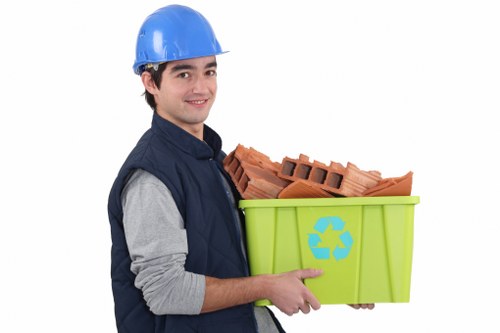 Council Rubbish Collection across our boroughs is evolving to meet the twin challenges of climate change and resource scarcity. Our municipal rubbish collection services are focused on reducing landfill, increasing reuse and recycling, and cutting transport emissions. This page outlines the recycling percentage target, local transfer stations, charity partnerships, and our low-carbon vans program, while highlighting borough approaches to waste separation and how residents can support a more sustainable local council recycling system.
We have set a bold recycling percentage target of 65% by 2030 for all household waste collected through the council waste collection service. This target aligns with regional environmental objectives and reflects our commitment to a circular economy. To get there we combine robust kerbside collection, enhanced sorting at transfer stations and active reuse schemes. The target covers dry recyclable materials, food waste, garden waste and captured construction and bulky items where possible.
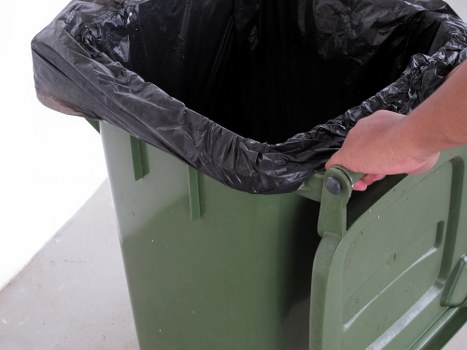 Waste separation is central to achieving the recycling goal. Boroughs operate a consistent approach: separate bins for mixed recycling (paper, card, plastics marked with recycling numbers), glass, food and garden waste, with residual waste collected separately. In many neighborhoods the council rubbish collection timetable includes dedicated food waste caddies for households and communal composting support for flats. Effective separation at source reduces contamination and increases the volume of material that can be recycled or composted.
Local Transfer Stations and Material Flow
Our network of local transfer stations plays a vital role in the municipal rubbish collection chain. Transfer stations act as consolidation hubs where materials from kerbside rounds are sorted, compaction takes place and loads are routed to specialist recycling facilities. They improve overall efficiency, lower haulage miles and enable higher-quality sorting before materials reach reprocessing plants.
Key transfer stations serve the boroughs and are equipped to handle separated streams and pre-sort mixed loads. Typical services include:
- Reception and sorting of mixed dry recycling and glass
- Batching of food and garden waste for anaerobic digestion or composting
- Segregation of wood, metal and bulky household items for reuse or recycling
![The image shows two dark grey plastic rubbish bins with closed lids, positioned on a metal framework that appears to be part of a waste collection vehicle or bin storage area. The bins are oriented downward, with their handles and locking mechanisms visible on the top edges. They are set against a background of wooden panels, which may be part of a building or a fence, with a small section of metal piping seen on the right side. The surface on which the bins rest has a slightly textured finish, typical of outdoor urban or residential environments in the UK. This setup suggests a typical rubbish collection point, likely in a residential area in [TOWN], near a driveway or alley, supporting services provided by Council Rubbish Collection, emphasizing professional waste management and recycling practices in the local community.](/pub/_photos/rubbish/f1345125992.jpg) Listed transfer stations in the area operate to public-sector environmental standards and are part of our strategy to support higher recycling yields and minimise landfill. Upgrading conveyor and optical sorting equipment at these local hubs is an ongoing investment priority to further reduce contamination and increase recovery rates across the council rubbish collection network.
Listed transfer stations in the area operate to public-sector environmental standards and are part of our strategy to support higher recycling yields and minimise landfill. Upgrading conveyor and optical sorting equipment at these local hubs is an ongoing investment priority to further reduce contamination and increase recovery rates across the council rubbish collection network.
Partnerships with Charities and Reuse Organisations
We partner with charities and community reuse organisations to divert usable goods away from landfill and into social value programs. Through joint initiatives the council waste collection teams separate and route working appliances, furniture and textiles to vetted partners who refurbish, redistribute or sell items at low cost. These collaborations support local jobs, help vulnerable residents and extend the life of products that would otherwise enter the residual waste stream.
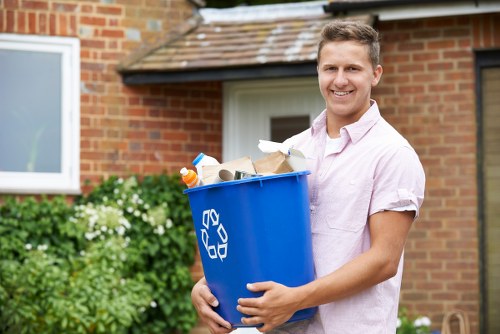 Typical partnership activities include:
- Scheduled bulky waste pickup coordination with charity collections
- Direct donation points at transfer stations for clothing and small household goods
- Repair workshops and circular-economy pilots supported by council waste collection teams
Working with third-sector partners reduces the environmental impact of municipal rubbish collection by increasing reuse rates and lowering the need for new manufacturing. We use data-driven routing to ensure charity collection routes are efficient and that reusable items are recovered early in the disposal chain.
Our commitment to low-carbon operations extends to the vehicles used for council rubbish collection. We are rolling out a fleet of electric and low-emission vans for refuse and recycling rounds, alongside trials of biomethane vehicles where appropriate. These low-carbon vans reduce tailpipe emissions, lower noise pollution and help us meet local air quality objectives while maintaining reliable collection services.
Fleet transformation includes training for drivers, installation of depot charging infrastructure and phased replacement of older diesel vehicles. The council rubbish collection program tracks vehicle emissions as part of its sustainability metrics so progress toward carbon reduction goals is transparent and measurable.
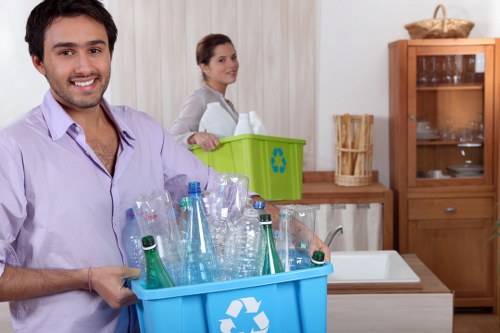 Community involvement is crucial. Residents can contribute to the success of the borough rubbish pick-up and recycling targets by following the separation guidance, rinsing containers, and scheduling bulky collections responsibly. When the community and the local authority work together, the council waste collection system becomes more resilient, more efficient, and far better for the environment.
Our long-term vision for council rubbish collection and local council recycling is to create a resilient resource-management system that meets our 65% recycling target, reduces carbon emissions from the fleet and fosters strong partnerships with charities and industry. By investing in transfer stations, improving separation at source and upgrading to low-carbon vans we are ensuring that the boroughs' approach to waste separation and reuse delivers social, economic and environmental benefits for everyone.
We continue to monitor progress and adapt operations across the municipal rubbish collection network to prioritise circularity, reduce waste and support a cleaner, greener borough for future generations.