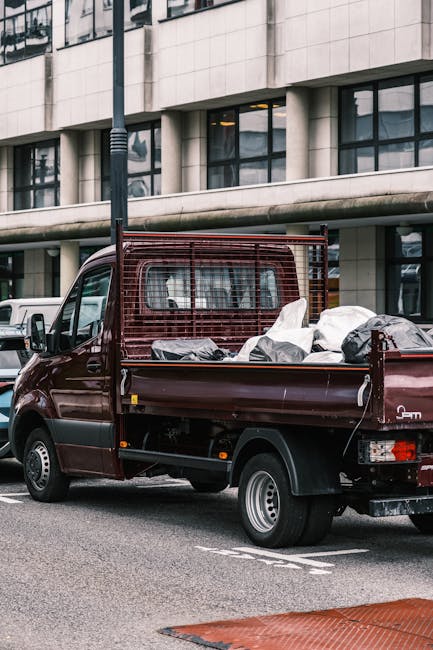
Guide to Bulk-Rubbish Pickup: What to Sort and When
If you've got an old sofa leaning against the wall, a mattress in the spare room, or a pile of broken bits from a loft clear-out, bulk rubbish can start to feel oddly heavy before you've even lifted it. The real challenge is not just getting rid of it. It's figuring out what to sort and when so the pickup goes smoothly, the right items are recycled where possible, and you don't end up with awkward refusals at the kerb. This guide to bulk-rubbish pickup: what to sort and when is here to make that whole process a lot less stressful.
Whether you're using a council service, arranging a private collection, or clearing a property after a move, the basics are the same: sort early, separate the tricky items, and know what needs special handling. It sounds simple. In practice, people usually leave sorting until the night before and then realise the old fridge, broken chair, and bag of garden cuttings all need different treatment. To be fair, that happens all the time.
Below, you'll find a practical, UK-focused guide with sorting rules, timing advice, common mistakes, and a real-world example. If you want a broader overview of service types as you read, it also helps to compare options like bulky waste collection, large item collection, and full rubbish removal for mixed loads.
Why Bulk-Rubbish Pickup: What to Sort and When Matters
Bulk rubbish pickup is designed for larger or awkward items that won't fit in normal household bins. Think sofas, mattresses, wardrobes, broken appliances, flat-pack leftovers, old carpet rolls, fence panels, and the kind of "temporary storage" people keep in garages for far too long. The sorting part matters because not every bulky item is handled the same way.
Some items can go into a straightforward collection. Others need separate treatment because of materials, weight, contamination, or safety concerns. A mattress, for example, may be collected differently from a sofa. An old fridge is not just "a metal box"; it may contain refrigerant or insulation that needs proper handling. Garden waste, builders' rubble, and office furniture all sit in different disposal categories too.
Timing matters just as much. If you sort too late, you risk mixing items, blocking access, or forgetting a restricted item entirely. If you sort too early without protecting exposed items, rain can soak soft furnishings or cardboard, making them heavier and messier to handle. Ever tried moving a wet mattress in a narrow hallway? Not a pleasant moment.
Done well, the process saves time, reduces lift-and-carry hassle, and makes recycling much more likely. It also helps avoid extra charges or a failed collection. That's the bit people notice only after the fact.
How Bulk-Rubbish Pickup Works
Most bulk-rubbish pickups follow a fairly similar pattern, although the exact rules vary between councils and private providers. The process usually starts with identifying what you need removed, then grouping items by type, then booking the collection window, and finally placing the items out in the right way.
At a practical level, the workflow looks like this:
- Identify the load - List every item and group them by furniture, electricals, garden waste, general bulky waste, or construction debris.
- Check restrictions - Some collections do not accept fridges, mattresses, paint, tyres, or hazardous waste. Others accept them only with advance notice.
- Choose the right service - A simple council pickup may be enough, or you may need a more flexible bulk waste collection for mixed or larger volumes.
- Sort by handling needs - Separate clean items from contaminated ones, and keep sharp or fragile items apart.
- Prepare access - Move items to a reachable area, usually near the front boundary, driveway, or agreed loading point.
- Set the collection timing - Put items out only when instructed, or close enough to the pickup slot that they don't become a nuisance.
- Confirm disposal route - Reusable items may be passed on, recyclable materials may be separated, and residual waste is disposed of responsibly.
That's the broad shape of it. But the key thing is this: the best collections are sorted before the day, not during the pickup window. A little prep goes a long way.
If your load is mostly furniture, it can help to review furniture clearance and furniture disposal options before you book. A couple of sofas, a table, and a wardrobe are much easier to manage when grouped sensibly.
Key Benefits and Practical Advantages
Sorting properly before a pickup is not just about being organised. It affects cost, speed, and what can be recycled. In our experience, most people underestimate how much smoother the whole job becomes when the load is clearly separated.
- Fewer delays - The crew can load faster when items are ready and clearly grouped.
- Lower risk of refusal - Mixed or restricted waste is one of the most common reasons collections get complicated.
- Better recycling outcomes - Wood, metal, green waste, and WEEE-style electricals are easier to divert when sorted.
- Cleaner access - Items kept in one place reduce clutter in hallways, gardens, and driveways.
- Safer handling - Sharp edges, heavy items, and awkward shapes can be managed more carefully.
- Less stress on the day - You're not sprinting around the house looking for "that one extra chair" five minutes before pickup.
There's also a quiet benefit people don't always mention: sorting helps you see what you actually have. Sometimes a "big clear-out" turns into three smaller jobs, and that clarity makes decisions easier.
For larger household or move-related jobs, the same thinking applies to home clearance and house clearance. When items are grouped early, it's much simpler to decide what's kept, recycled, donated, or removed.
Who This Is For and When It Makes Sense
This guide is for anyone dealing with items that are too large, too heavy, or too awkward for normal household collections. That includes homeowners, tenants, landlords, letting agents, office managers, tradespeople, and anyone in the middle of a clear-out with no easy plan.
It makes sense when you have:
- an old mattress or bed frame to remove;
- broken or unwanted furniture;
- white goods that need specialist handling;
- garage, loft, or shed clutter;
- garden waste after pruning or landscaping;
- leftover materials from a small renovation;
- an office or flat that needs a quick reset.
It's also useful if you're weighing up council pickup against private removal. Council services can work well for straightforward items, but they may have tighter booking windows or item limits. Private services can be quicker and more flexible, especially if you need help with mixed loads or access issues. That difference matters more than people think.
For example, if you've got a bed, mattress, and bedside units, it may be worth looking at bed disposal together with mattress disposal so you know whether the parts need separate handling. Same with sofas: sofa removal and sofa collection are often discussed as if they're interchangeable, but the practical booking details can differ.
Step-by-Step Guidance
Here's a practical way to sort and schedule a bulk pickup without turning your weekend into a minor disaster.
1. Walk the property and list everything
Start with a proper visual sweep. Look in the places rubbish tends to accumulate: loft, garage, shed, under stairs, spare room, office corner, and garden edge. Don't rely on memory. Memory is famously optimistic when it comes to clutter.
Make a simple list and note which items are bulky, which are heavy, and which might need special treatment. If something is dusty, damp, broken, or unstable, mark it down.
2. Split items into sensible categories
Group items into clear piles:
- Furniture - chairs, tables, cupboards, wardrobes, sofas.
- Mattresses and bed parts - frames, divans, headboards, mattresses.
- Appliances - fridges, freezers, washing machines, microwaves.
- Garden waste - branches, soil, hedge trimmings, fencing.
- Builders' waste - tiles, plasterboard, timber offcuts, rubble.
- General bulk waste - mixed non-hazardous items that do not fit elsewhere.
That kind of grouping saves time later and helps you avoid mixing incompatible waste streams.
3. Identify anything that needs specialist disposal
Some items should never be treated as ordinary bulk waste. Refrigeration units, paint tins, chemicals, batteries, gas cylinders, asbestos-containing materials, and some electrical equipment need specific handling. If you're unsure, pause and check before the collection date.
For appliances, look at fridge disposal and white goods recycle guidance so you understand what's accepted and what needs extra care.
4. Book the right collection window
Choose a pickup slot that gives you enough time to sort, but not so much time that the waste sits around and gets in the way. Midweek bookings can sometimes work better if you need access without weekend pressure, though that depends on the provider.
If the job is large or mixed, you may want a broader waste clearance or waste removal service rather than a single-item collection. That can be a calmer way to handle a full clear-out.
5. Move items to the agreed pickup point
Keep walkways clear. Place items where they are easy to reach, but not blocking neighbours, bins, or public footpaths. If the collection is at the front of the property, make sure there's enough space for safe loading.
For flats, narrow access or stairwells can make a big difference, so a service like flat clearance may be more practical than trying to handle it yourself piece by piece.
6. Keep paperwork, photos, and booking details handy
Even for a simple pickup, keep the booking confirmation, item list, and any notes about access or restrictions in one place. If there's a dispute about what was meant to be collected, good notes help. A quick photo taken the evening before can also be useful.
Expert Tips for Better Results
There are a few small habits that make bulk collections easier. They're not flashy, but they do save time and hassle.
- Flatten what can be flattened - Cardboard, removable table legs, and dismantled shelves take up less space.
- Bundle similar materials - Wood with wood, metal with metal, green waste with green waste, where allowed.
- Keep clean and dirty items separate - It reduces contamination and helps recycling.
- Don't overpack bags - Overfilled bags are awkward, and sometimes unsafe to lift.
- Think in loading order - Heavier items first, awkward items next, lighter items last. That's a small thing, but it helps.
- Protect shared areas - In blocks or terraces, use cardboard or a sheet to avoid scuffs if you're moving heavy pieces through hallways.
A useful mental test is this: if a collector arrived right now, could they understand your piles at a glance? If the answer is no, sort a bit more. Not everything needs perfect precision, but the clearer your setup, the smoother the pickup.
For household decluttering jobs, pairing your bulk pickup with garage clearance or loft clearance can help you deal with hidden overflow without having to book multiple separate removals.
Common Mistakes to Avoid
Most bulk-rubbish problems come from a handful of predictable mistakes. The good news? They're easy to avoid once you know what to look for.
Leaving sorting until collection day
This is the big one. It creates confusion, slows the crew down, and makes it easier to miss restricted items. Sort the night before at the latest, and earlier if the load is large.
Mixing bulky waste with hazardous waste
Paint, solvents, fuel cans, asbestos, batteries, and similar materials should never be quietly added to the pile. If in doubt, stop and check.
Forgetting about access
Items may be fully sorted, but if a van can't reach the property or lift access is blocked, the collection becomes far more difficult. Gate widths, stair turns, parking, and loading points all matter. Yes, even the hedge that keeps growing into the path.
Booking the wrong type of service
A small council large-item pickup may not suit a full house clear-out, and a furniture-only service may not cover mixed debris. If you have more than one type of waste, make sure the service matches the load. That avoids awkward surprises later.
Assuming everything can go together
It's tempting to think "bulky waste is bulky waste." In reality, mattresses, electricals, builders' waste, and garden waste often need different handling. The more specific your sort, the better.
Tools, Resources and Recommendations
You do not need fancy equipment to prepare for a bulk collection, but a few basic tools make life easier.
- Marker pen and labels - Useful for marking items that should stay separate.
- Tape measure - Helps if access, lift size, or doorway width might be an issue.
- Utility knife or screwdriver set - Handy for dismantling flat-pack furniture where safe to do so.
- Dust sheets or old blankets - Useful for moving items through shared corridors.
- Heavy-duty gloves - Good for sharp edges, splinters, or dirty materials.
- Phone camera - Take photos of the load before collection so there's a record.
On the planning side, it helps to read service pages before you book. If you're comparing costs or trying to understand what's included, start with pricing and quotes. If your main concern is safety, insurance, or handling standards, the insurance and safety page is worth a look. And if you care about what happens after pickup, recycling and sustainability gives you a better sense of the disposal approach.
For businesses, office moves, shop refits, or end-of-lease clear-outs, you may need something more structured such as business waste removal or office clearance. Different environment, same principle: sort early, label clearly, and keep the load compliant.
Law, Compliance and Best Practice
In the UK, bulk waste needs to be handled responsibly. That sounds obvious, but it's where a lot of problems begin. You are generally expected to use a legitimate carrier, keep waste out of public spaces for longer than necessary, and make sure hazardous or restricted items are not mixed into ordinary rubbish.
Best practice also means being honest about the type of waste you have. If your pile includes builders' rubble, plasterboard, electricals, or potentially contaminated items, say so upfront. It may affect pricing, sorting, and collection method, but it prevents problems later. That honesty saves everyone time.
There are also practical safety expectations. Large items should be lifted safely, access routes should be kept clear, and workers should not be exposed to sharp edges or unstable stacks. If you're arranging a collection on behalf of a household or business, it helps to review the provider's health and safety policy and terms and conditions before booking.
If you're ever unsure whether an item is suitable for a standard pickup, it's better to ask first rather than hope for the best. Honestly, "I thought it would be fine" is not a great disposal strategy.
Options, Methods and Comparison Table
Choosing the right method depends on what you're removing, how much there is, and how quickly you need it gone. Here's a simple comparison.
| Method | Best for | Pros | Watch-outs |
|---|---|---|---|
| Council bulky collection | Single items or small, predictable loads | Often straightforward and cost-conscious | May have booking limits, item restrictions, or longer waits |
| Private bulk waste collection | Mixed loads, awkward access, quicker turnaround | More flexible timing and handling | Costs can vary based on volume and item type |
| Furniture or mattress-specific service | Sofas, beds, mattresses, wardrobes | Good when most of the load is one category | Less suitable for mixed rubbish or builders' debris |
| Full clearance service | Homes, flats, garages, lofts, offices | Best for larger clear-outs and multiple waste streams | Can be more than you need for one or two items |
As a rough rule, the more varied the waste stream, the more you benefit from a service that can handle mixed items properly. If everything is the same type, a more targeted pickup can be the cleaner option.
If you need a council-style route, pages like council large item collection, council rubbish collection, and council waste collection are useful starting points for understanding what may be accepted.
Case Study or Real-World Example
A typical example: a family in a semi-detached house has cleared out a spare room, garage corner, and old bedside storage before a renovation. The pile includes a sofa bed, a broken office chair, a mattress, two shelving units, some cardboard, and a small stack of damp garden trimmings from the side path.
At first glance, it looks like one mixed heap. But once sorted, it becomes much clearer:
- Furniture: sofa bed, shelving units, office chair.
- Mattress: separate from the bed frame because it may need its own handling route.
- Cardboard: flattened and kept dry.
- Garden waste: bagged separately.
The family books a collection after sorting, moves everything to the driveway the evening before, and keeps the passage through the hallway clear. Collection day goes smoothly. No digging through the pile, no last-minute arguments over whether the mattress "counts," and no soaked cardboard flapping around in the wind. A pretty ordinary success story, but that's the point.
If the load had included a fridge or freezer, they would likely have needed specialist handling via fridge disposal. If it had been a bigger end-of-tenancy clear-out, a broader flat clearance or home clearance would have made more sense.
Practical Checklist
Use this checklist the day before pickup.
- List every item to be collected.
- Group items by type: furniture, mattress, appliance, garden waste, builders' waste, mixed rubbish.
- Separate anything hazardous, sharp, or restricted.
- Check whether electricals or white goods need special handling.
- Measure access points if the load is large or awkward.
- Flatten or dismantle items where safe to do so.
- Keep bags and loose waste tied, dry, and easy to lift.
- Move items to the agreed collection point.
- Leave a clear path for safe loading.
- Keep booking confirmation and contact details nearby.
Quick expert summary: sort first, separate special items early, and only set waste out when you're sure the collection is booked and the access is clear. That simple habit prevents most of the headaches people associate with bulky waste.
For outdoor jobs, a dedicated garden clearance can be easier than trying to squeeze green waste into a general pickup. For renovation leftovers, look into builders' waste clearance so rubble and timber are handled in the right stream.
Conclusion
The safest and easiest way to approach bulk rubbish is to sort it before collection day, match each item to the right disposal route, and choose a pickup method that fits the size and type of waste. That way, you avoid missed items, reduce the chance of extra charges, and make life easier for everyone involved. Simple, really. Not always easy, but simple.
Whether you're clearing one heavy item or dealing with a full household pile-up, the same rule holds: the better the sort, the better the pickup. If you're planning your next clear-out and want a smoother, more confident process, take a moment to review the relevant service page, check your access, and book with a plan rather than a guess.
Get a free quote today and see how much you can save.
And if you're still staring at a room full of "later" and wondering where to begin, start with the easiest pile first. Once the first heap is gone, the rest always feels a bit lighter.
Frequently Asked Questions
What counts as bulk rubbish?
Bulk rubbish usually means items that are too large, bulky, or awkward for normal bin collection. That often includes furniture, mattresses, appliances, shelving, and other oversized household or business items.
Do I need to sort bulk waste before pickup?
Yes, in most cases you should sort it into categories such as furniture, electricals, garden waste, and builders' waste. Sorting makes collections smoother and helps avoid rejected items or handling issues.
Can I put a mattress and bed frame out together?
Sometimes, but not always. Bed frames, divans, and mattresses can be handled differently, so it's best to check before booking. A separate mattress collection or bed disposal service may be more suitable.
What items are usually not accepted in bulk collections?
Hazardous items such as paint, chemicals, batteries, asbestos, gas cylinders, and some contaminated materials are often excluded. Fridges and freezers may also need specialist handling.
When should I put the items out for collection?
Only put items out when your booking instructions say to do so. That usually means shortly before pickup or the evening before, depending on the service and local arrangements.
Is council collection better than private rubbish removal?
It depends on your situation. Council services can suit simple, single-item collections, while private rubbish removal is often better for mixed loads, faster turnaround, or tricky access.
Can I mix furniture, garden waste, and builders' debris in one pickup?
Sometimes yes, but only if the provider accepts mixed loads and you've declared everything accurately. Many services prefer waste to be sorted into clear categories first.
What happens if I leave the rubbish out too early?
Leaving items out too early can create nuisance, block access, attract damp or pests, and in some areas may lead to complaints. It's better to time it carefully.
How can I make bulk rubbish pickup cheaper or easier?
Sort the waste properly, flatten what can be flattened, separate specialist items, and be clear about the load before booking. That reduces guesswork and avoids delays.
Do I need a special service for appliances?
Often yes, especially for fridges, freezers, and other white goods. Look at white goods recycle and fridge disposal guidance before you arrange pickup.
What if my bulk waste is in a flat or upper-floor property?
Access matters a lot in flats and multi-storey buildings. A tailored service such as flat clearance can be a better fit when stairs, lifts, or shared corridors are involved.
How do I know whether I need full clearance rather than a single pickup?
If you have several rooms, mixed waste types, or a lot of clutter to remove, a full waste clearance or rubbish clearance service is usually more practical than booking item by item.
Where can I check service details, safety, or booking support?
Start with the provider's core pages such as about us, contact us, and insurance and safety. Those pages help you understand who you're booking with and what to expect.